
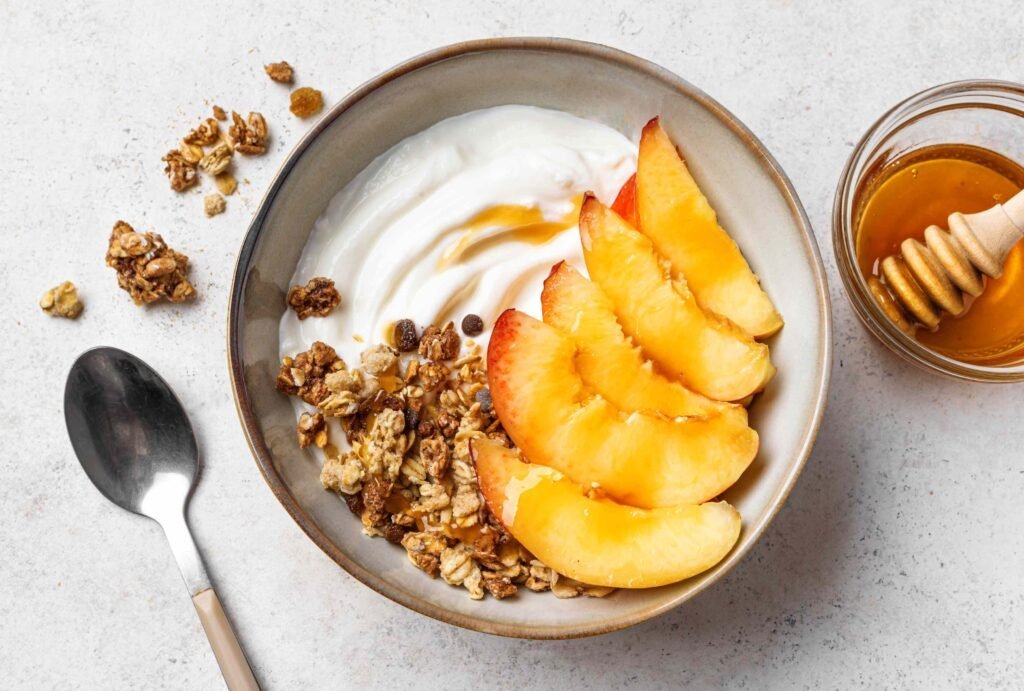
Adding probiotic foods to your diet increases the number of helpful gut bacteria and supports overall health. Probiotics are found in fermented foods like yogurt, kefir, and sauerkraut.
foods و and و Adding – تفاصيل مهمة
wilatlak villette / Getty Images
Yogurt is a high-probiotic food with a flavor that appeals to many people. Common strains used areLactobacillus bulgaricusandStreptococcus thermophilus. Some yogurts may also containBifidobacteria.
Yogurt, especially Greek yogurtis a source of protein and calcium. Eating yogurt can help decrease your risk of type 2 diabetes, osteoporosis, and heart disease.
Tip:When buying yogurt, choose plain, unsweetened varieties. You can add a drizzle of honey or fresh fruit for extra sweetness and flavor.
a و and و of – تفاصيل مهمة
Brands with the “live and active cultures” seal on the label mean the yogurt hadat least 100 million live cultures per gramwhen it was manufactured.
DejanKolar / Getty Images
Kefir is a probiotic beverage with a tart, tangy flavor.It has up to61 beneficial bacterial strainswhich makes it a diverse source of probiotics.
a و is و Kefir – تفاصيل مهمة
The bacteria in kefir may support heart health and fight inflammation. It may also treat infections, high blood sugar, high blood pressure, and high cholesterol.
Like yogurt, kefir is a source of protein and calcium.Plus, it has a low lactose content, making it easier to digest for people with lactose intolerance.
Takrathanlal Patap and Iight
a و is و source – تفاصيل مهمة
Kombucha is a fermented beverage made from green or black tea, sugar, yeast, and bacteria. It’s a concentrated source of antioxidants that help lower inflammation, decrease cholesterol levels, and improve immune health.
Kombucha contains probiotics, but there is not enough human research to determine if it benefits gut health.The probiotic content varies between products.
Note:Kombucha may contain trace amounts of alcohol. It has an alcohol by volume (ABV) of less than 0.5%.
Kombucha و of و contains – تفاصيل مهمة
Kinga Krzeminska / Getty Images
Sauerkraut is made by fermenting shredded raw cabbage with lactic acid bacteria.
Lactic acid bacteria in sauerkraut may help with irritable bowel syndrome (IBS), diarrhea, and constipation. It may also boost your immune system.
with و acid و may – تفاصيل مهمة
Viorel Bumbescu / Getty Images
Fermented pickles are made by soaking cucumbers in a salt and water brine for several weeks. Natural bacteria likeLactobacillusgrow during fermentation and make lactic acid.
Fermentation leads to antioxidants, which prevent cell damage.
Note:Many store-bought pickles are made with vinegar and do not have probiotics.You will want to look for refrigerated products that say “fermented” or “live cultures” on the label.
and و pickles و are – تفاصيل مهمة
Pickles are also high in sodium, which may be harmful for people with high blood pressure.
alvarez / Getty Images
Tempeh is a plant-based protein made from fermented soybeanswhich forms probiotics.
Tempeh و is و made – تفاصيل مهمة
Cooking tempeh kills the live probiotics, turning them into paraprobiotics (inactive bacteria).Paraprobiotics may offer similar benefits to probiotics. They may also decrease fatigue, increase muscle mass, and improve athletic performance.
ollo/Getty Images
Kimchi is a Korean dish made by fermenting cabbage with other vegetables and seasonings. It’s high in fiber and beneficial bacteria likeLactobacilli.
and و Kimchi و is – تفاصيل مهمة
What the Science Says:A 2024 study found that eating kimchi daily decreased body fat and improved cholesterol levels by supporting gut health.
sri widyowati / Getty Images
Miso is a smooth paste made from fermented soybeans. It adds an umami (rich, savory) flavor to soups, stews, and many Japanese dishes.
Miso و paste و a – تفاصيل مهمة
Miso is a source of fiber, plant proteinand probiotics. It may help prevent obesity, high cholesterol, diabetes, and high blood pressure.
Promo_Link / Getty Images
Natto is made from fermented soybeans. It contains the probiotic strainBacillus subtiliswhich strengthens the intestinal barrier and lowers inflammation. However, human research is needed.
is و Natto و made – تفاصيل مهمة
Natto is high in plant-based protein, fiber, and healthy unsaturated fats. It’s also a source of micronutrients like:
- Phosphorus
- Potassium
- Iron
- Zinc
- Vitamin C
- Magnesium
- Copper
dontree_m / Getty Images
The most common probiotic strains in frozen yogurt areLactobacillus bulgaricusandStreptococcus thermophilus. These bacteria often survive the flash-freezing process, so frozen yogurt can offer gut health benefits.
yogurt و offer و frozen – تفاصيل مهمة
Frozen yogurt with the “live and active cultures” sealmust contain 10 million live cultures per gramat the time of manufacture.
Probiotic foods contain live bacteria that may improve gut health and immune function.
Adding probiotic foods to your diet may treat the symptoms of conditions like:
foods و may و Probiotic – تفاصيل مهمة
- Diarrhea caused by antibiotics
- Eczema
- High cholesterol
- Obesity
- Respiratory tract infections
- Ulcerative colitis
There are no official guidelines on how many servings of probiotic foods you should eat each day. In general,1-2 servings daily may support gut healthwhen you combine them with other nutritious foods.
Ways to incorporate probiotic-rich foods into your diet include:
- Add kefir to smoothiesor on top of granola and fruit.
- Choose yogurt and frozen yogurtwith the “live active cultures” seal, or make your own.
- Sip on kombuchainstead of traditional sodas.
- Stir miso paste into soupsafter removing them from the heat to preserve the probiotics.
- Swap yogurtfor mayo or sour cream in recipes.
- Toss sauerkraut, kimchi, or fermented picklesinto salads, sandwiches, and other cold dishes.
Disclaimer: This news article has been republished exactly as it appeared on its original source, without any modification.
We do not take any responsibility for its content, which remains solely the responsibility of the original publisher.
Disclaimer: This news article has been republished exactly as it appeared on its original source, without any modification.
We do not take any responsibility for its content, which remains solely the responsibility of the original publisher.
Author: uaetodaynews
Published on: 2025-12-20 23:36:00
Source: uaetodaynews.com