
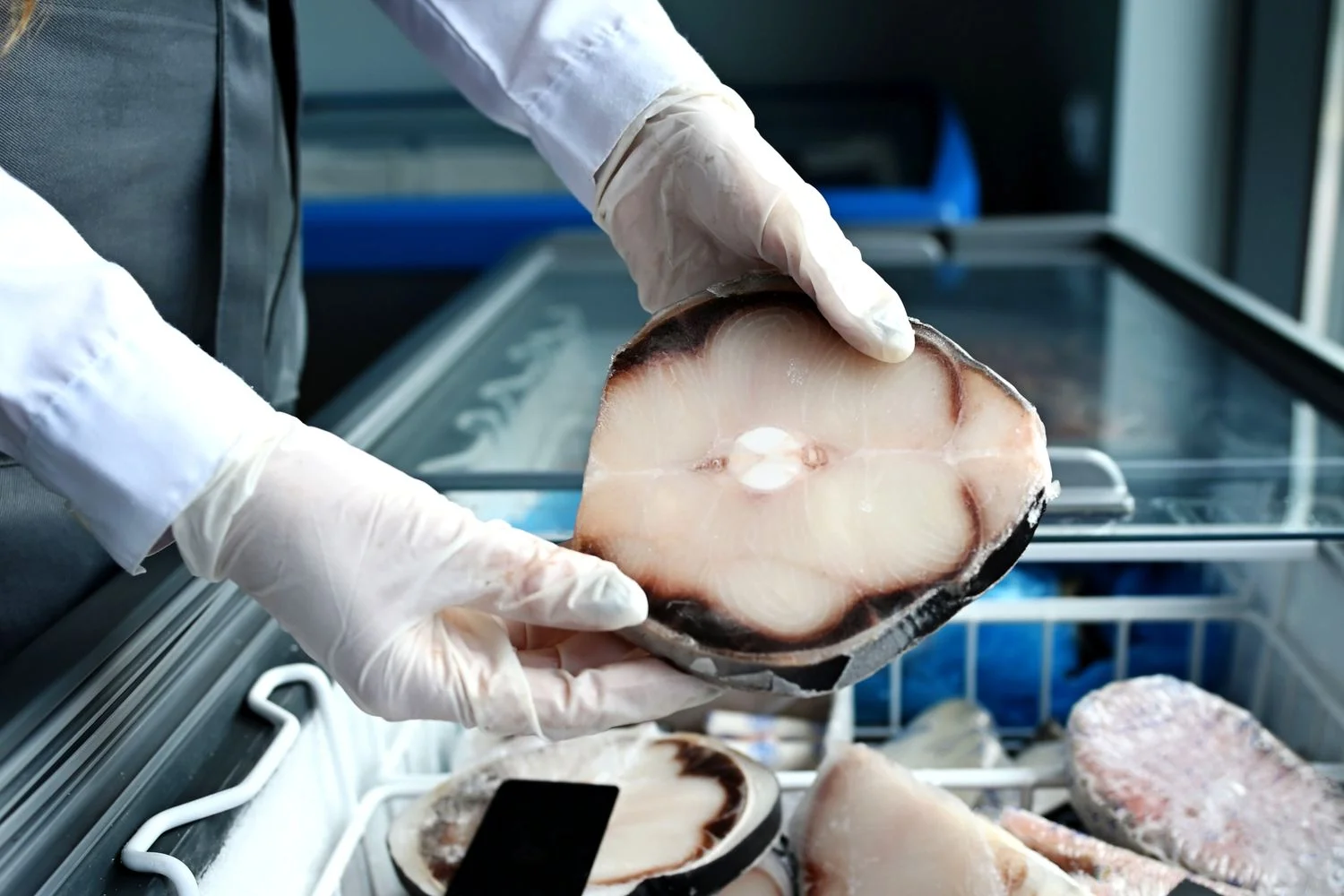
- Researchers from the University of North Carolina at Chapel Hill found that critically endangered shark species may commonly be sold under false labels in U.S. grocery stores.
- The scientists revealed that out of 29 samples, 93% were ambiguously labeled as just “shark” meat.
- Through DNA testing they found that numerous samples sold in grocery stores came from endangered shark species such as the shortfin mako and great hammerhead.
If you spot shark on a menu or grocery store shelves in the United States, the odds are high that it comes from a critically endangered species.
In September of 2025, researchers from the University of North Carolina (UNC) at Chapel Hill published the findings of their research in the interdisciplinary journal Frontiers in Marine Scienceexamining what, exactly, Americans are consuming when they purchase shark meat. But before diving into their learnings, it’s important to understand the regulations on shark consumption in America.
the و in و of – تفاصيل مهمة
Some shark meat is legal to eat in the U.S. However, as the National Oceanic and Atmospheric Administration’s (NOAA) fisheries division explains on its website, the sale of all shark fins is illegal. “The law prohibits any person under U.S. jurisdiction from engaging in the finning of sharks, possessing shark fins aboard a fishing vessel without the corresponding carcass, and landing shark fins without the corresponding carcass,” the administration outlines on its website.
There are also many specific laws around which sharks can be fished, sold, and consumed in the U.S. The NOAA separately maintains a list of prohibited species that must be released if accidentally caught, including white, sand tiger, shortfin mako, and basking sharks, to name just a few.
The fishing of hammerhead sharks is regulated by the NOAA and strictly prohibited in some waters, but as researchers from UNC Chapel Hill found, the species is somehow still showing up in grocery stores.
“We found critically endangered sharks, including great hammerhead and scalloped hammerhead, being sold in grocery stores, seafood markets, and online,” Dr. Savannah J. Ryburn, a researcher at the University of North Carolina at Chapel Hill and corresponding author, shared in a statement to Frontiers.
and و in و the – تفاصيل مهمة
In total, the team purchased and DNA barcoded 29 shark meat samples from stores across North Carolina, Washington, D.C., Florida, Georgia, and online vendors. The samples included 19 raw shark steaks and 11 packages of shark jerky. The researchers found that of the 29 samples, 93% were “ambiguously labeled as ‘shark,’ and one of the two products labeled at the species level was mislabeled,” Ryburn outlined.
The mislabeled products included one sold as blacktip shark — which the researchers noted is currently classified as a vulnerable species by the International Union for the Conservation of Nature — although it actually contained meat from the endangered shortfin mako. Just one sample, also labeled as blacktip shark, clearly and correctly identified the meat it contained.
“It was really shocking to see everything so generically labeled because there are hundreds of species of sharks, and they vary enormously with their habitats, size, diet, and everything about them,” Savannah Ryburn, a recent doctoral graduate and lead author of the study, said in a statement.
“It was shocking to see critically endangered species not only being generically labeled but also being sold super cheaply. Some of the scalloped hammerhead samples were $2.99 a pound — and this is an apex predator that’s critically endangered,” Ryburn detailed. The authors revealed that other samples were sold at “remarkably” low prices too, ranging from $6.56 to $11.99 per kilogram for fresh shark meat.
the و of و and – تفاصيل مهمة
However, as the lead author noted, grocery stores and markets likely aren’t to blame for these issues. “The legality of selling shark meat in the United States depends largely on where the shark was harvested and the species involved, due to regulations under CITES and the Endangered Species Act,” Ryburn explained. “However, by the time large shark species reach grocery stores and markets, they are often sold as fillets with all distinguishing features removed, making it unlikely that sellers know what species they are offering.”
If the idea of eating endangered animals doesn’t stop you from pushing for greater transparency in the food system, perhaps the researcher’s other findings will.
According to the team, three of the species that they found in the samples — the scalloped hammerhead, the great hammerhead, and the dusky smooth-hound shark — may contain high levels of mercury and methylmercury, which can damage the human brain and nervous system. They may also have arsenic, which is a known carcinogen.
One way to curb the issue, the authors noted, is to put onus on the seller. “Sellers in the United States should be required to provide species-specific names, and when shark meat is not a food security necessity, consumers should avoid purchasing products that lack species-level labeling or traceable sourcing,” Ryburn emphasized.
the و to و and – تفاصيل مهمة
Disclaimer: This news article has been republished exactly as it appeared on its original source, without any modification.
We do not take any responsibility for its content, which remains solely the responsibility of the original publisher.
Disclaimer: This news article has been republished exactly as it appeared on its original source, without any modification.
We do not take any responsibility for its content, which remains solely the responsibility of the original publisher.
Author: uaetodaynews
Published on: 2026-01-13 13:30:00
Source: uaetodaynews.com