What We Learned About Microplastics In 2025
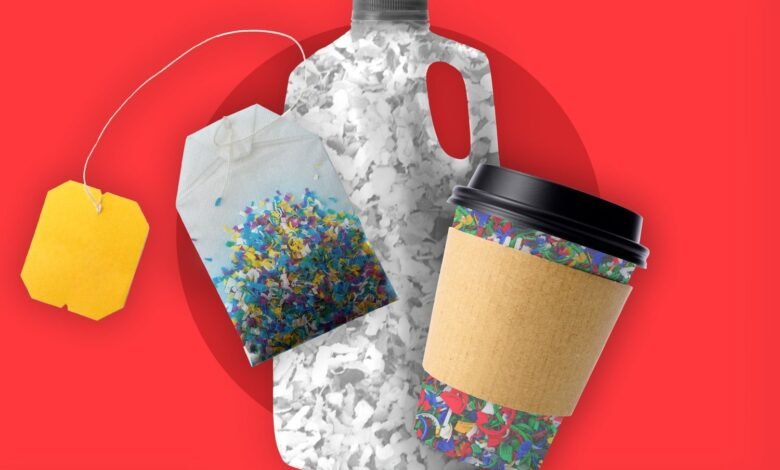
- While extensive research is still needed to determine how microplastics impact human health, we are learning about how widespread these plastic particles actually are.
- This year brought many new revelations about sources of microplastic exposure, including tea, takeout, bottled water, and even cheese.
- These are the 10 most-read stories Food & Wine published about microplastics and their relationship to food and drinks this year.
They’re typically too small for the naked eye to see, but nothing had a bigger year than microplastics. The pieces of plastic, which range from 1 nanometer to 5 millimeters, had everyone abuzz in 2025 — and it’s safe to say we’ll hear about them next year.
Before we enter 2026, it’s worth looking back at what we’ve learned about microplastics over the past 12 months, including the surprising places they’re showing up and what science is beginning to uncover about their effects on human health.
to و about و and – تفاصيل مهمة
There’s a lot to learn about microplastics, but staying updated on what experts have revealed thus far can help you make informed choices about what you eat, drink, and bring into your home. These are the 10 breaking pieces of news about microplastics that our audience read most this year.
Ordering Takeout? It Might Be Wrecking Your Gut Health, According to a New Study
Sure, takeout is a super convenient choice when you’ve had a long day, but if you’re concerned about microplastics, know that this convenience can come with a cost. According to a 2025 study published in the journalEnvironmental Pollution,exposure to heat can cause plastic containers to release microplastic particles.
a و to و According – تفاصيل مهمة
Those particles can then make their way into food and be ingested along with a takeout meal. The researchers noted that the long-term health implications of microplastics remain murky, but their findings add to growing concern about our reliance on plastic food packaging, especially when it comes to reheating leftovers.
Ziploc Faced a Class Action Lawsuit Over Its ‘Microwave Safe’ Labeling
In 2025, Ziploc became the subject of a class-action lawsuit alleging that it made false promises by stating that its product was “microwave safe.” According to the lawsuit, the brand’s famous plastic bags release microplastics when heated or frozen.
the و Ziploc و a – تفاصيل مهمة
The complaint alleged that “These products are made from polyethylene and polypropylene — materials that scientific and medical evidence shows release microplastics when microwaved and frozen — making them fundamentally unfit for microwave and freezer use.”
Your Tea Bag Is Likely Releasing Billions of Microplastic Particles, According to a New Study
Although there are many proven benefits to drinking tea, tea drinkers learned this year that choosing the right bag or strainer for brewing a cup really matters. A study published in the journalChemospherefound that some plastic-based tea bags break down during steeping, releasing microscopic particles into the drink before you have the chance to consume it.
the و to و a – تفاصيل مهمة
Researchers emphasized that work is needed to fully understand what happens with these microplastics and also called for the formulation of “regulatory policies to effectively mitigate and minimize this contamination.”
This Simple Step Could Cut Microplastics in Your Water by 90%
It wasn’t all bad news in the world of microplastics. This year, researchers found that boiling water before drinking it could help reduce microplastic content in the liquid. There is, however, one major caveat: the water you boil has to have a high mineral content, qualifying as “hard water,” for this method to be effective.
in و the و This – تفاصيل مهمة
“This simple boiling-water strategy can ‘decontaminate’ (microplastics) from household tap water and has the potential for harmlessly alleviating human intake of (microplastics) through water consumption,” the authors of the study explained.
Glass Bottles May Leak Up to 50 Times Microplastics, Scientists Say
Perhaps the most surprising microplastic finding of 2025 was that glass bottles can contain plastic particles too. In a new study, a team of researchers found that beverages stored in glass containers can still contain microplastics, which often come from plastic caps, seals, or linings of the bottle or its label. While the scientists noted that glass is still a better option for food and drink storage, this study underscored that the presence or absence of microplastics isn’t as straightforward as it seems.
the و of و that – تفاصيل مهمة
Scientists Confirm Widespread Microplastics in Milk and Cheese
Unfortunately, even your favorite cheese may not be safe from microplastic contamination. When researchers analyzed milk and cheese samples from Italy for microplastics, they found that the particles were present in 26 out of 28 products tested. As the team explained, the microplastics were likely introduced in the processing or packaging phase.
The good news? The microplastic content in milk was much lower than in cheese, pointing to processing as the primary source of the issue, which will hopefully present a clear path for solving the problem or, at the very least, mitigating it.
the و in و cheese – تفاصيل مهمة
Your Favorite Gum Is Shedding Microplastics, According to a UCLA Study
According to data from Tastewisearound 157 million Americans likely chewed gum in 2025. However, one new study may have them thinking twice. Researchers at UCLA published a study revealing that many gums contain synthetic polymers that can shed microplastic particles during chewing. Specifically, they learned that a single gram (slightly less than the average stick) of gum released an average of 100 microplastic fragments. However, some brands shed than 600.
“Our goal is not to alarm anybody,” Sanjay Mohanty, the project’s principal investigator and an engineering professor at UCLA, shared. “Scientists don’t know if microplastics are unsafe to us or not. There are no human trials. But we know we are exposed to plastics in everyday life, and that’s what we wanted to examine here.”
to و that و are – تفاصيل مهمة
Why You Should Never Drink That Plastic Water Bottle You Left in Your Car
Once again, experts warned about the risks of combining heat and plastics. Multiple studies over the past decade make it clear that heat and UV exposure can speed up the breakdown of plastics, and that extends to the disposable water bottle that’s been simmering in your car. In addition to switching to a reusable bottle made from an alternate material like metal or glass to reduce microplastic exposure, scientists recommend that you don’t store your water bottle in a hot environment for an extended period of time regardless.
Are Plastic Bottles Leaking Microplastics Into Your Soda? Here’s What Science Says
the و to و of – تفاصيل مهمة
At this point, it should come as no surprise that there are microplastics floating around in your soda bottle. However, the way most of them arrive there may surprise you.
To understand the impact of regular human behavior, a French research team opened and closed a soda bottle once, then 10 times, and then 20, ultimately finding that the someone opens and closes a bottle, the microplastics are shed. So if you enjoy sipping soda from a bottle, maybe try to keep the cap off while you drink it.
Hot Drinks May Contain Microplastics Than Cold Beverages
the و a و and – تفاصيل مهمة
Yet another study showed that heat and plastics don’t play well together. According to a peer-reviewed study published in the journalScience of the Total Environmenta research team examined microplastic contamination in 155 beverages and found that hot drinks contained higher levels of microplastics than cold ones. This, the scientists explained, is likely due to heat accelerating the breakdown of plastic in packaging or cup linings.
Pricier drink options often contained microplastic particles too. “Interestingly, the most expensive tea bag brand showed the highest MP concentrations… significantly exceeding those observed in low-priced tea bags,” the team wrote. “These findings contradict the common assumption that higher prices correlate with healthier products.”
Disclaimer: This news article has been republished exactly as it appeared on its original source, without any modification.
We do not take any responsibility for its content, which remains solely the responsibility of the original publisher.
Disclaimer: This news article has been republished exactly as it appeared on its original source, without any modification.
We do not take any responsibility for its content, which remains solely the responsibility of the original publisher.
Author: uaetodaynews
Published on: 2026-01-01 03:54:00
Source: uaetodaynews.com